Mold Questions Homeowners Ask Most
Questions and answers
Is it safe to clean mold myself?
Small spots, about the size of a dinner plate, on hard surfaces are often fine to scrub yourself. Wear gloves, a snug N95 mask and eye protection. Fix the water first, or it comes right back. Know where to stop: if it covers a larger area, sits in drywall, or smells musty with no visible source, bring in a provider.
How do I know if it's black mold?
You can't tell by color alone. Many molds look dark, and the dangerous-sounding name gets used loosely. Only lab testing can name a type. Treat any dark growth with care, keep kids and pets away, and ask a local provider whether testing makes sense before you start scrubbing or scraping.
Do I need a mold inspection near me or just a cleanup?
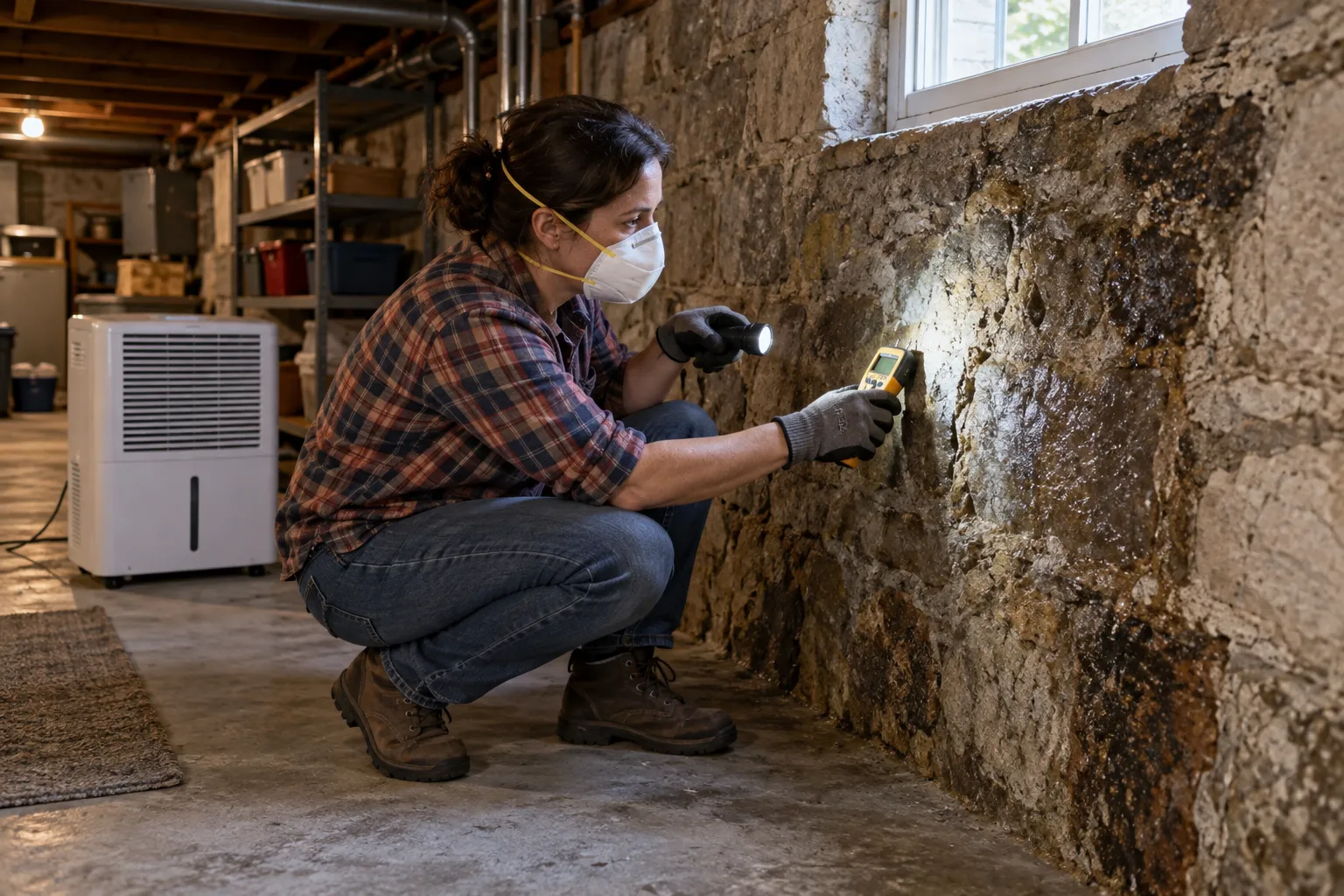
If you can see the mold and know the water source, cleanup may be enough. If you smell mustiness but see nothing, or mold keeps returning, an inspection helps find the hidden cause. A provider checks walls, crawl spaces and basements, often with a moisture meter, then explains what they found.
How do I choose a mold provider?
Ask each provider for a written quote that lists the area covered, the steps, and how they will contain the work. Ask if they are licensed where your state requires it, and what insurance they carry. Be wary of anyone who skips the moisture source. Compare two or three quotes before you say yes. Leastonto Mold Help can connect you with independent providers in our network.
Will my homeowners insurance cover mold?
It depends on your policy and the cause. Some policies may cover mold that follows sudden damage, like a burst pipe, while slow leaks and neglect are often excluded. Read your policy or ask your agent before work starts. Providers can often help document damage with photos and notes for a claim, but they cannot promise coverage.
How much does mold removal usually cost?
In the U.S., small jobs often run a few hundred dollars, while larger residential mold removal can reach several thousand, and whole-house jobs more. Size, material, access and the water source all change the price. Testing is usually priced separately. Get a written quote that spells out the scope so you can compare offers fairly.
Can mold come back after removal?
Yes, if moisture is still around. Dry it, then decide what else needs doing. Check for leaks, fix gutters and grading, and run a dehumidifier in damp basements. Older stone and block foundations can seep after snowmelt and spring rain, so check walls and corners each season.
What can I do to prevent mold in a basement?
Keep indoor humidity under about 50 percent, and use a dehumidifier through damp months. Clear gutters before winter and point downspouts away from the foundation. Fix leaks quickly, and don't store cardboard boxes on the floor. After freeze-thaw swings or coastal storms, look over walls and corners for new damp spots. Request a callback if you spot dark growth.
Get in touch
Questions about a musty smell, a dark patch or a test result? Reach out and we will connect you with a local provider in our network. No obligation.
No obligation